

Blog
5 Essential Bookkeeping Tips to Keep Your Business Audit-Ready and Profitable

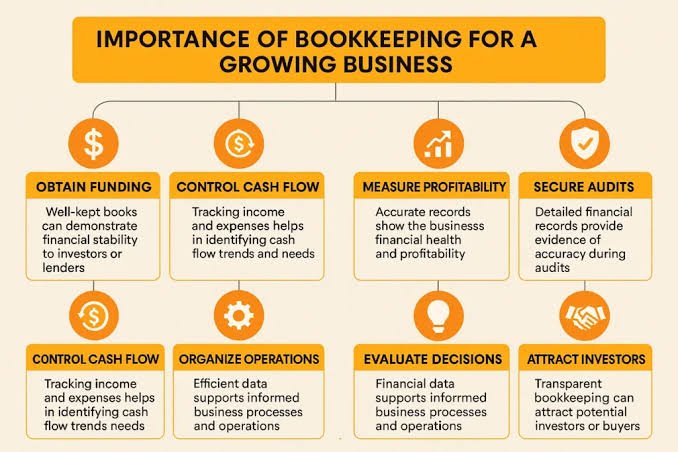
As a small business owner, you wear a lot of hats. On any given day, you are the CEO, the marketing director, the customer service representative, and occasionally, the janitor. But there is one hat that often gets pushed to the bottom of the stack until it’s absolutely unavoidable: the bookkeeper.
It is easy to treat bookkeeping as a chore meant solely for tax season. However, keeping accurate financial records is actually the ultimate cheat code for running a highly profitable business. Clean books tell you exactly where your money is going, where you are losing cash, and how fast you can afford to scale.
To help you move from financial chaos to total control, here are five essential bookkeeping tips every business owner should implement today.
1. Separate Your Personal and Business Finances Instantly
The absolute golden rule of business accounting is simple: never mix business with pleasure.
Opening a dedicated business checking account and credit card should be your very first step when launching a company. When you use your personal debit card for a business SaaS subscription, or buy office supplies with cash from your personal wallet, you create a logistical nightmare.
- Why it matters: Co-mingling funds makes tracking your true profitability incredibly difficult. More importantly, if your business is ever audited, co-mingled accounts can cause the IRS to invalidate your corporate liability shields (a nightmare scenario known as “piercing the corporate veil”). Keep two distinct bubbles, and never let them cross.
2. Implement the “Receipt Rule” (and Go Digital)
We’ve all been there: a fading paper receipt sits crumpled in your glove box or at the bottom of a desk drawer, completely unreadable by the time tax season rolls around. If the IRS audits your business, a simple line item on a credit card statement isn’t always enough proof—they want to see the itemized breakdown.
- The solution: Stop collecting paper. Use cloud-based tools like QuickBooks Online, Hubdoc, or Dext to snap a photo of your receipts the moment you get them. These tools automatically extract the data and attach the digital receipt directly to the transaction in your ledger. If a paper slip disappears, your deduction is still perfectly safe.
3. Reconcile Your Accounts Every Single Month
Waiting until December to match your bank statements against your accounting software is an open invitation for expensive errors. Bank feeds break, duplicate entries happen, and merchant processors (like Stripe or Square) frequently take out hidden fees that throw your numbers off.
- What to do: Set a recurring calendar invite on the first week of every month to completely reconcile your bank accounts, credit cards, and loan balances. Matching what happens in the real world to what is written in your software ensures you are making business decisions based on real data, not phantom cash flow.
4. Track Your Direct Costs Separately From Overhead
Not all expenses are created equal. To know if your business model is actually working, you need to understand the difference between your Cost of Goods Sold (COGS) and your Operating Expenses (OpEx).
- COGS are the direct expenses required to deliver your product or service (materials, subcontractor labor, shipping).
- OpEx are the overhead costs required to keep your doors open regardless of sales volume (rent, software, insurance).
If you lump your web hosting fees, office snacks, and project inventory into one massive “Expenses” category, you won’t know your true gross profit margin. Separate them in your Chart of Accounts so you can spot pricing leaks instantly.
5. Stop Playing Catch-Up: Proactive vs. Reactive
The costliest mistake a business owner can make is treating bookkeeping as a reactive task. When you look at your financials only once a year to hand them to your CPA, you are looking at an autopsy of the past. You can’t change a budget error that happened eight months ago.
Proactive bookkeeping means looking at your metrics week-in and week-out. It allows you to notice if a specific vendor hiked their prices, if your labor costs are outstripping your revenue, or if your cash reserves are dwindling before you miss payroll.
When to Hand Over the Reins
These tips will give you a strong foundation, but as your business grows, your time becomes increasingly valuable. Every hour you spend trying to categorize transactions or fix broken software feeds is an hour you aren’t spending signing clients, improving your product, or resting.
If your bookkeeping has grown into a source of constant weekend stress, it might be time to bring in the experts.
At BAMS Bookkeeping & Consulting, we take the administrative weight completely off your shoulders. We clean up your historical data, build seamless automated workflows, and hand you pristine monthly reports so you can make confident, data-backed decisions.
Ready to stop stressing over spreadsheets? Schedule a free consultation with the BAMS team today.